
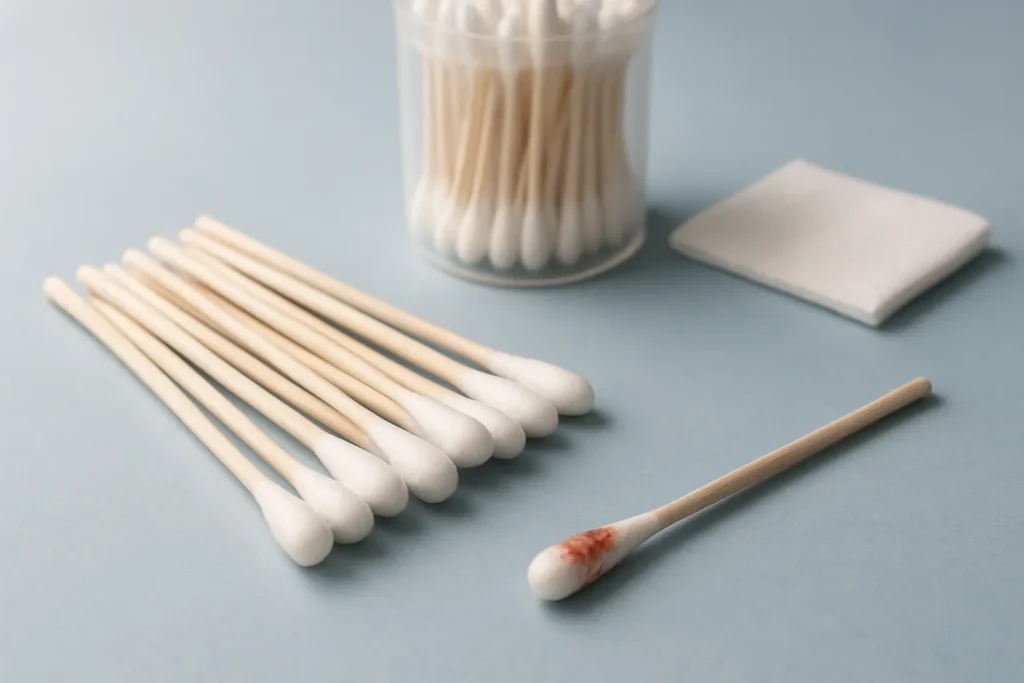
Choosing the Right Medical Cotton Swabs: A Guide for Healthcare Providers
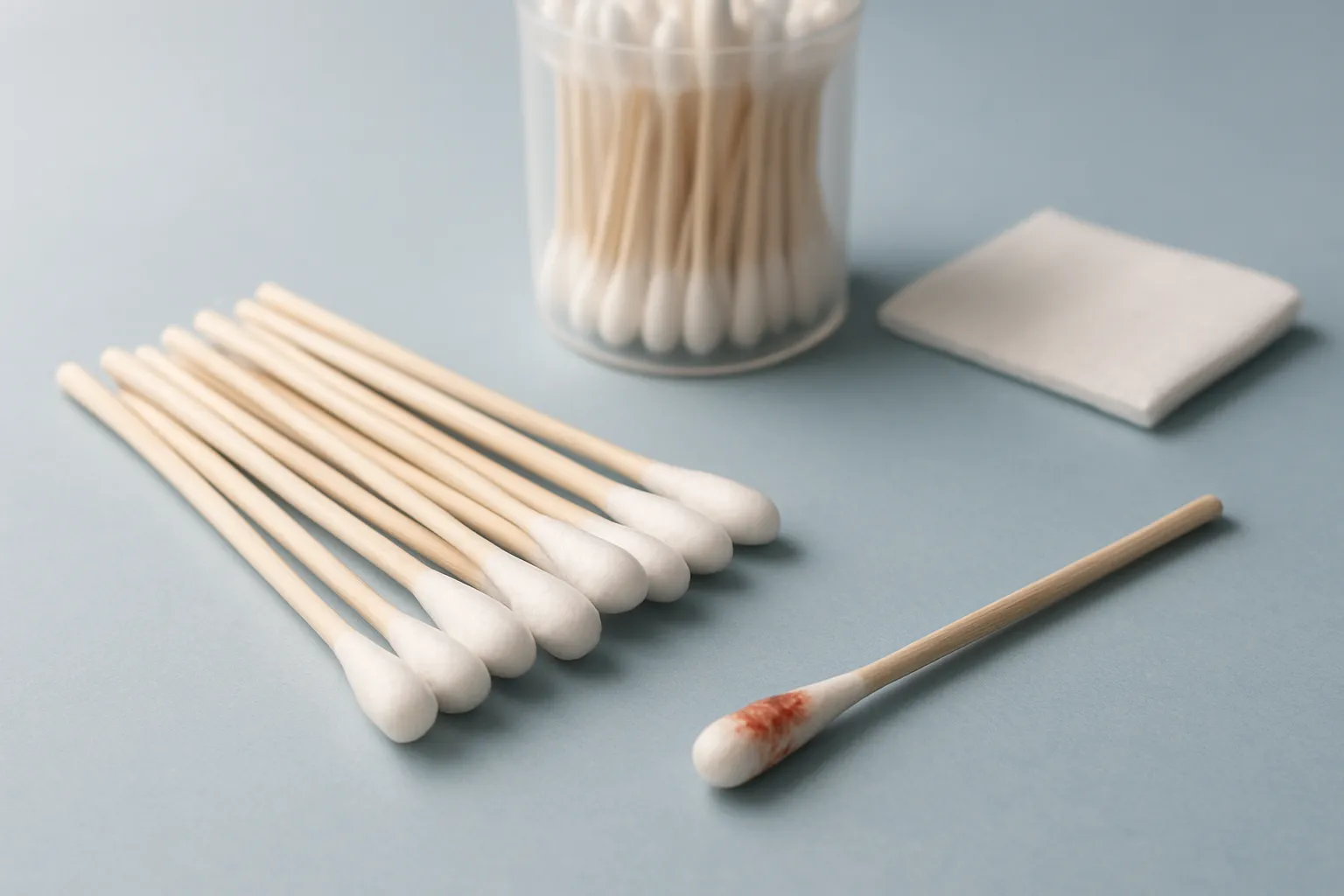
In the healthcare sector, the importance of selecting the right cotton swabs cannot be emphasized enough. These versatile tools are crucial in a variety of medical applications, from diagnostics to wound care. Choosing the appropriate medical cotton swabs can significantly influence patient outcomes and the efficacy of medical procedures.
Medical cotton swabs are available in various types, each designed to cater to specific needs in healthcare settings. Understanding these differences is essential for healthcare providers and procurement professionals to ensure they have the most effective tools for patient care. For a diverse selection of options, you can explore our Products – Lanxi Jieda Cotton Swab Co., Ltd..
Specifications of Medical Cotton Swabs
When selecting medical cotton swabs, several specifications must be considered to ensure optimal performance.
Material Considerations
The material of the swab is a critical factor. Typically, medical cotton swabs are made from cotton, known for its high absorbency and softness, making it suitable for sensitive applications. Alternatively, non-woven materials may be used for specific purposes, offering greater durability and reduced linting. The choice between these materials often hinges on the intended use and the desired level of absorbency.
Size and Shape Variations
Medical cotton swabs come in numerous sizes and shapes, including both standard and mini versions. Longer swabs are ideal for deep wound care or reaching challenging areas, while shorter swabs are perfect for surface applications. Additionally, the shape of the swab tip can vary, with options such as pointed, flat, or rounded tips, each serving different functions in medical procedures.
Sterilization Standards
Sterilization is a fundamental aspect of medical cotton swabs. They must meet strict sterilization standards to prevent infections and ensure patient safety. Swabs that are pre-sterilized and packaged in sterile environments are essential for procedures that demand the highest level of hygiene. For more details on sterilization standards, refer to this technical reference from NIOSH.
Use Cases for Medical Cotton Swabs
Medical cotton swabs are utilized in a variety of clinical scenarios:
Diagnostic Procedures
In diagnostic settings, cotton swabs are often used for specimen collection, such as throat swabs for culture tests or nasal swabs for viral testing. Their ability to collect samples without contamination makes them indispensable in laboratories.
Wound Care Applications
For wound care, medical cotton swabs are used to apply antiseptics, clean wounds, or remove debris. Their soft texture minimizes trauma to surrounding tissue, promoting better healing outcomes.
Laboratory Uses
Laboratories frequently utilize medical cotton swabs for various applications, including cleaning delicate instruments, applying reagents, or collecting samples for analysis. Their versatility and ease of use make them a staple in laboratory settings.
Comparing Different Types of Medical Cotton Swabs
When selecting medical cotton swabs, it’s essential to compare the various types available.
Cotton vs. Non-Woven Swabs
Cotton swabs are often favored for their softness and absorbency, while non-woven swabs provide durability and reduce linting. The choice between the two frequently depends on the specific requirements of the procedure being performed.
Applicator Tips and Their Uses
The applicator tip is another critical consideration. Pointed tips are ideal for precision tasks, whereas flat tips are better suited for applying ointments or cleaning surfaces. Choosing the right tip can enhance the effectiveness of the procedure.
Cost vs. Quality Analysis
While cost is an important factor in procurement, it should not compromise quality. Investing in high-quality medical cotton swabs can lead to better patient outcomes and reduced complications, making it a worthwhile consideration for healthcare organizations.
Sourcing Medical Cotton Swabs
To ensure the best products are utilized in healthcare settings, sourcing medical cotton swabs requires careful evaluation.
Supplier Evaluation Criteria
When selecting suppliers, healthcare providers should consider factors such as product quality, reliability, and compliance with medical standards. A thorough evaluation can help establish long-term partnerships with reputable manufacturers.
Bulk Purchasing Options
Bulk purchasing can lead to significant cost savings for healthcare facilities. Many suppliers offer discounts for large orders, making it an appealing option for hospitals and clinics looking to optimize their budgets.
Regulatory Compliance
Ensuring that the cotton swabs meet regulatory compliance is essential. Products should adhere to standards set by governing bodies such as the FDA or ISO to guarantee safety and efficacy.
Implementation in Healthcare Settings
Once the right cotton swabs have been sourced, implementing their use in healthcare settings is the next step.
Best Practices for Use
Establishing best practices for the use of medical cotton swabs is crucial. This includes proper techniques for application, disposal, and infection control measures.
Training Staff on Proper Usage
Training healthcare staff on the correct use of medical cotton swabs can enhance procedural success and minimize errors. Regular training sessions can help reinforce best practices and keep staff updated on any new protocols.
Storage and Handling Guidelines
Proper storage and handling of medical cotton swabs are vital to maintaining their sterility and effectiveness. Swabs should be stored in a clean, dry environment and handled with care to prevent contamination.
Frequently Asked Questions
What are the benefits of using medical cotton swabs?
Medical cotton swabs offer numerous benefits, including versatility, ease of use, and the ability to perform delicate tasks with precision. They are essential for various applications in diagnostics, wound care, and laboratory settings.
How to choose the right type for specific procedures?
Choosing the right type of medical cotton swab depends on the procedure’s requirements, including the material, size, and tip shape. Assessing these factors will help ensure optimal efficacy and patient safety.
What are common mistakes to avoid?
Common mistakes include using the wrong type of swab for specific procedures, neglecting sterilization protocols, and improper disposal methods. Avoiding these pitfalls is crucial for maintaining high standards of patient care.
Conclusion
In conclusion, selecting the right cotton swabs for medical use is vital for ensuring effective patient care and procedural success. By understanding the specifications, use cases, and sourcing strategies, healthcare providers can make informed decisions that enhance their operational efficiency and patient outcomes. In my experience, prioritizing quality and compliance will ultimately lead to better healthcare practices and improved safety for patients.